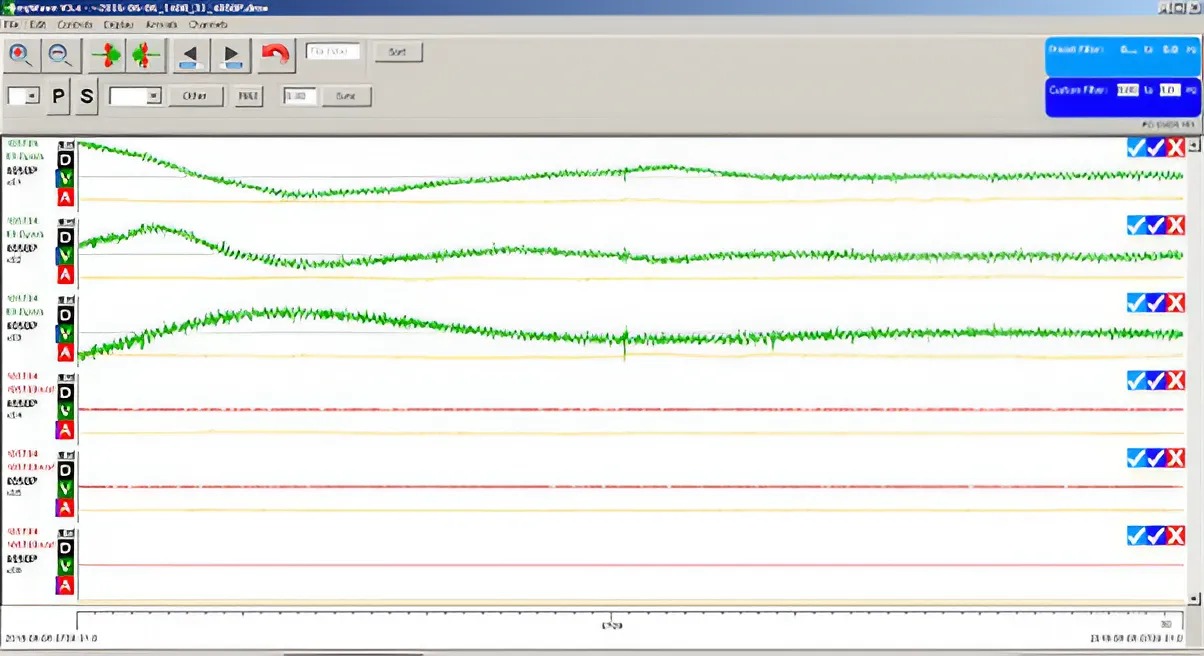
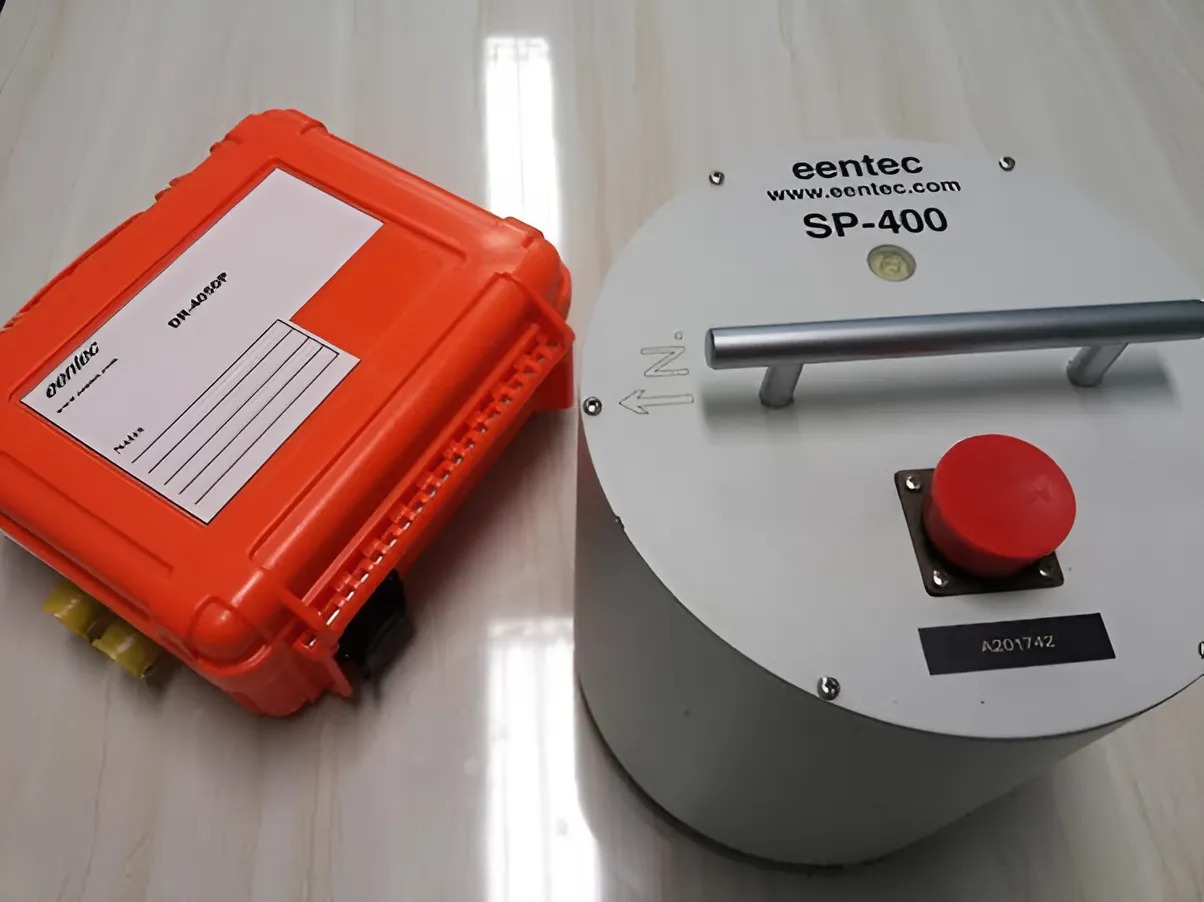
Passive Seismic

Passive Seismic

Passive Seismic represents a new paradigm in hydrocarbon exploration, utilizing natural seismic frequencies. This method is gaining traction and becoming a standard alternative to conventional seismic methods (active seismic exploration).


Overview

Passive seismic monitoring employs natural sources, such as microseismic events or ambient noise, which have been historically used for various geophysical applications. These include:

  • Monitoring volcanic activity
  • Studying geothermal systems
  • Observing active fault movements
  • Conducting near-surface studies

Key Features

An interesting phenomenon observed during measurements conducted in hydrocarbon reservoirs is the frequency anomaly typically found between 2 – 4 Hz. This aspect of passive seismic can serve as a valuable indicator for locating hydrocarbons.

Benefits of Passive Seismic

  • Expanded Job Opportunities: Passive seismic acts as a supporting method for conventional 2D/3D seismic surveys, facilitating the identification of prospect areas before extensive seismic surveys are conducted
  • Enhanced Drilling Location: It assists in determining the optimal drilling positions to mitigate the risk of dry holes
  • Hydrocarbon Thickness Identification: The method aids in assessing the thickness of hydrocarbons present in reservoirs
  • Hydrocarbon Source Estimation: Provides insights for estimating hydrocarbon reserves
  • Long-term Monitoring: Enables ongoing monitoring of producing areas, supporting Enhanced Oil Recovery (EOR) efforts