Coring Conventional
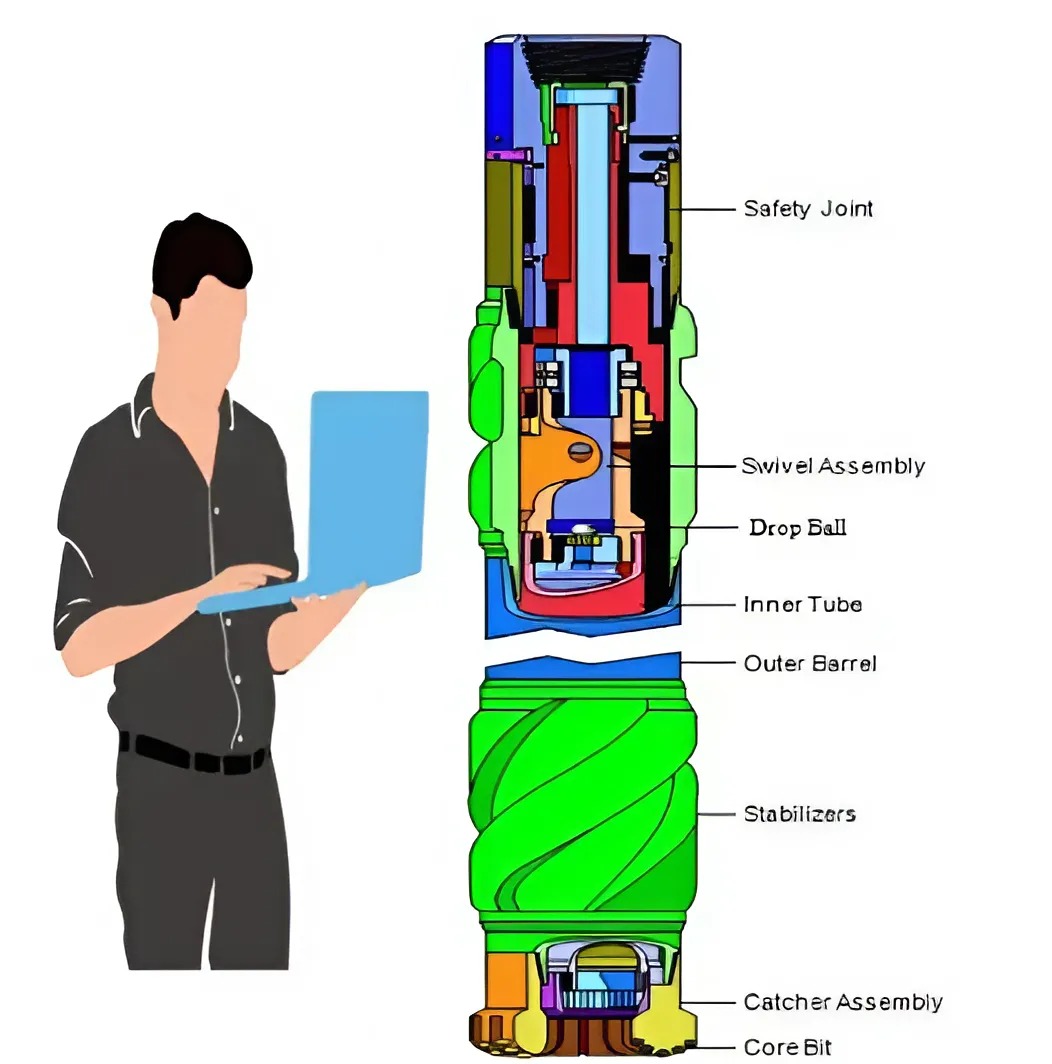
Conventional Coring Service is designed to obtain cores in most coring applications using a standard core barrel. This service acts as the foundational unit for a wide range of advanced coring solutions.
Core Sizes Available:
Materials for Inner-Tube:
Benefits to the Customer
Improved Reliability:
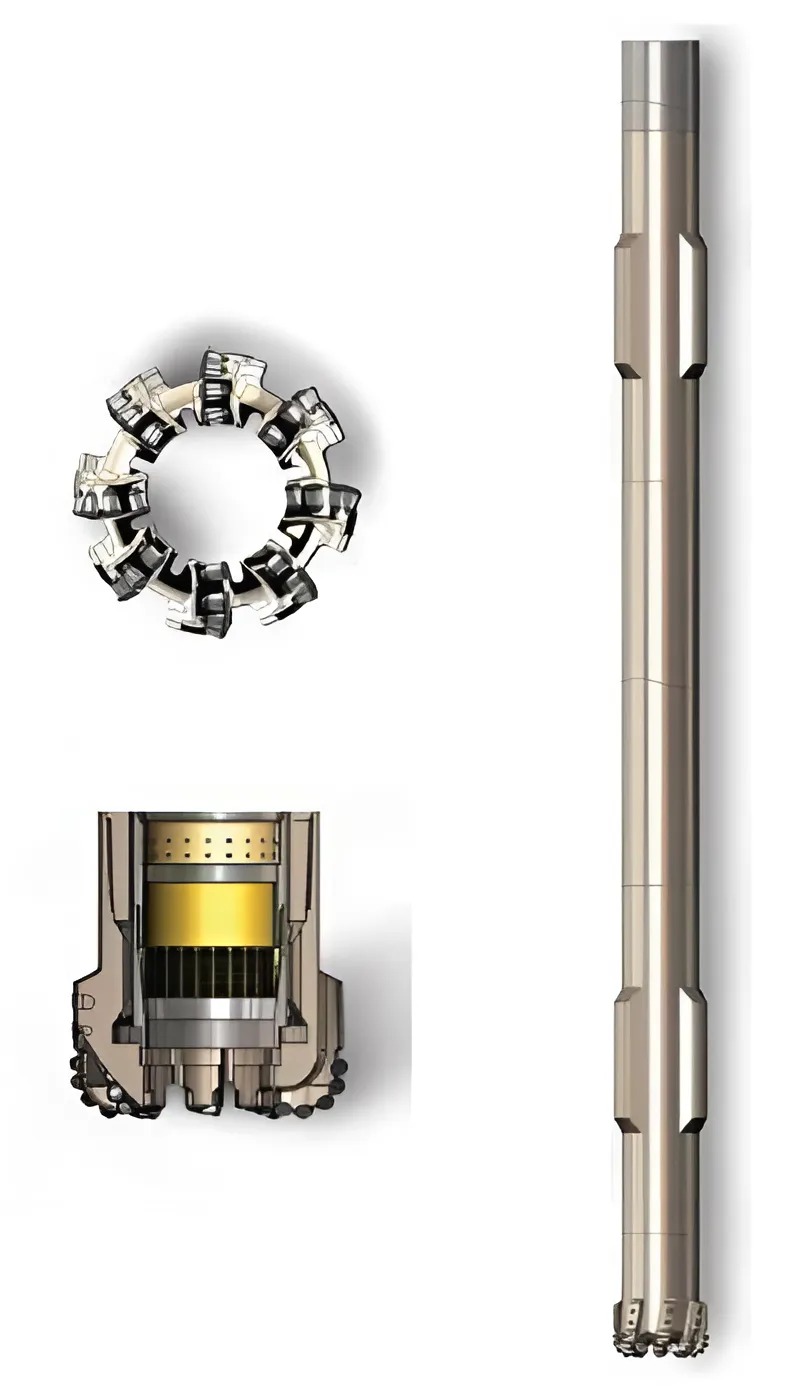
Core barrel thread damage is eliminated due to a specialized thread form that prevents damaged connections—provided recommended coring parameters are followed.
Thread Design Criteria:
Mechanical Behavior of the Outer Barrel Connection Area:
Swivel Assembly
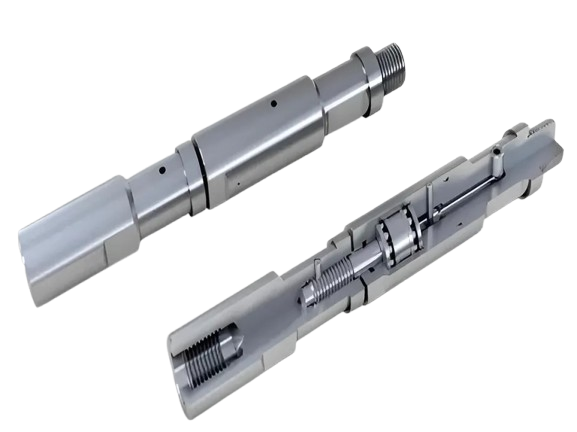
Swivel assembly connects the inner barrel to the outer barrel via a thrust bearing comprising ball bearings seated in a race. This setup prevents the rotation of the drill string from being transmitted to the inner barrel, enabling it to remain stationary during coring. If the inner barrel were to rotate, it could cause the core barrel to jam, which would prematurely terminate the core run.
Stabilizers
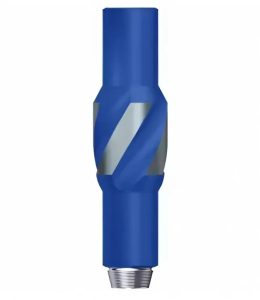
The purpose of stabilizers is to centralize the core barrel in the well bore, ensuring effective stabilization. They minimize disturbance to the core as it enters the inner barrel, thereby improving core recovery. Additionally, stabilizers assist in maintaining the hole angle and provide in-gauge hole conditions.
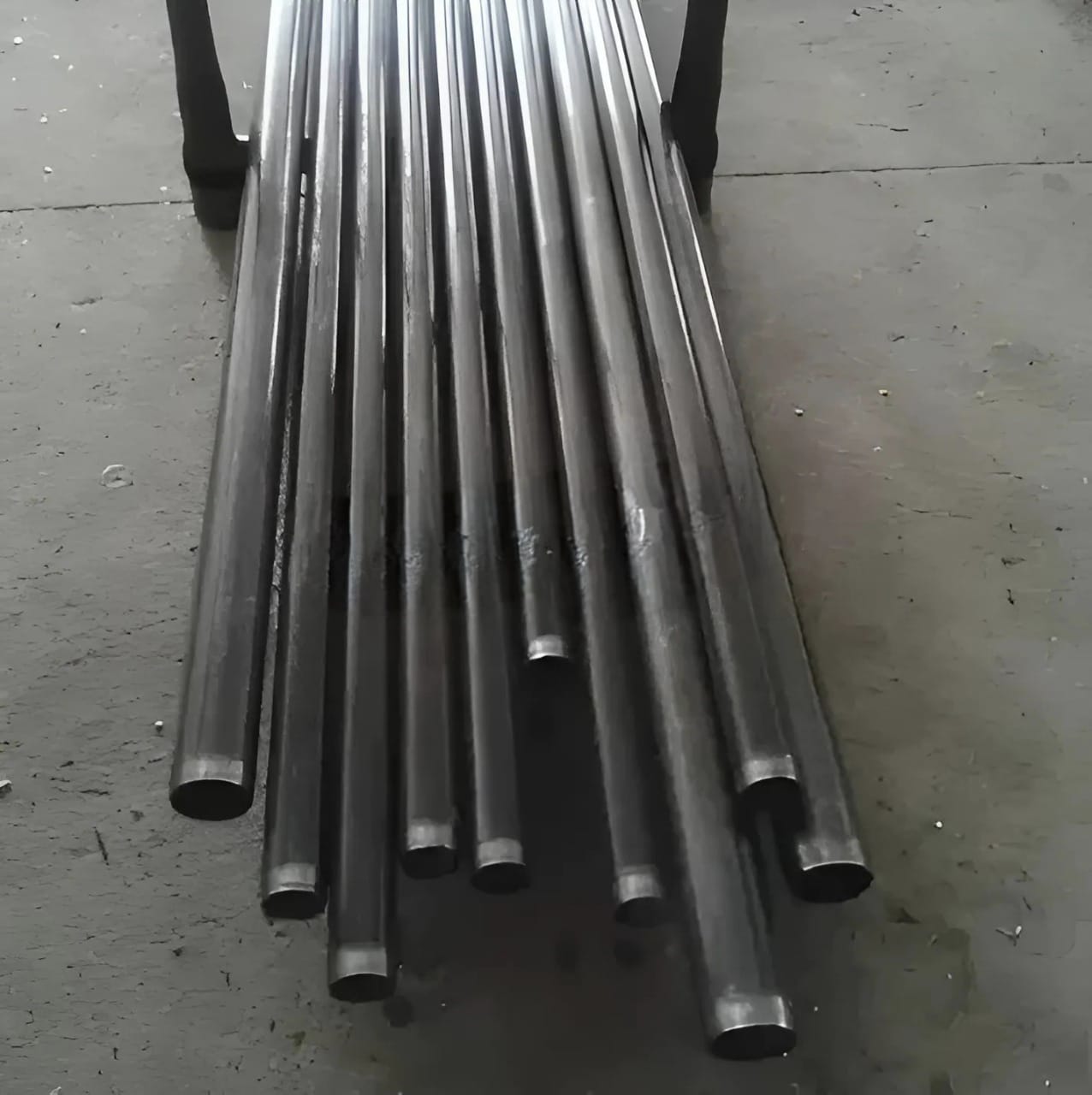
Outer Barrel
The outer barrel houses the other core barrel components and transmits the weight, rotation, and drilling fluids to the core bit. It is normally defined by its outside diameter (OD). The outer barrel sections are 26 feet in length. Together with the 4-foot stabilizers, they form a basic length of 30 feet.
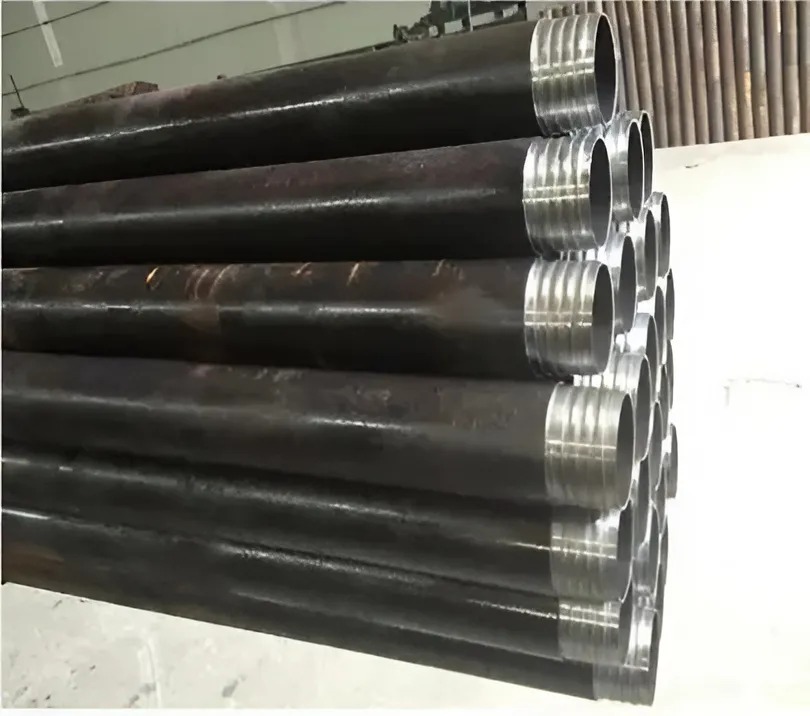
Inner Barrel
Conventional coring uses several types of inner barrel. The inner barrel contains the core when it enters the core barrel. The inner barrel sizes are defined based on the size of the core they hold. It has a length of 30 feet to match one section of the outer barrel and one stabilizer. The inner barrel connects to the swivel assembly at the top end of the core barrel.
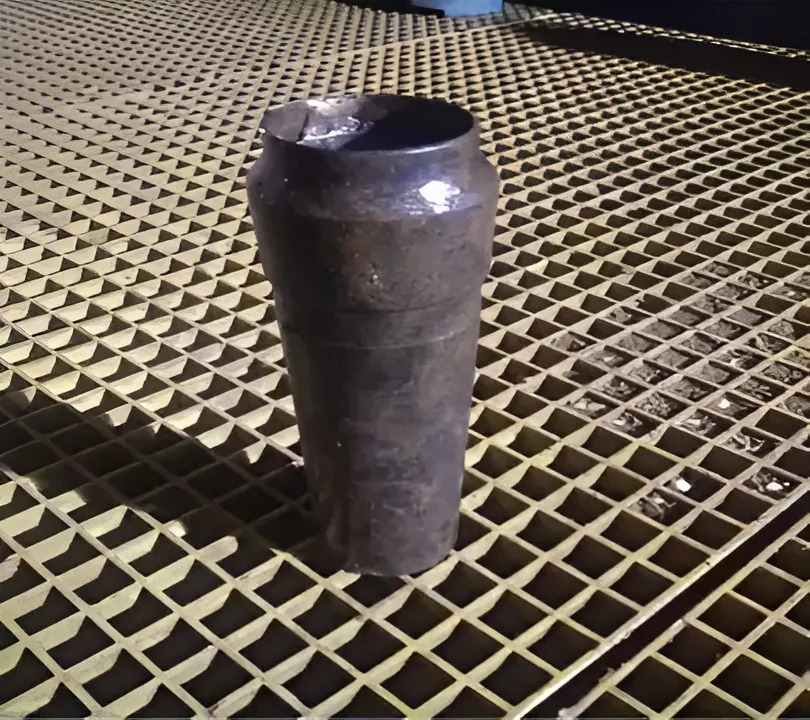
Catcher Assembly
The pilot shoe of the catcher assembly is tapered internally, with a narrow end at the bottom. The catcher is activated by pulling the core barrel off the bottom of the hole, typically with tungsten carbide grit inside the catcher grips the core. This design forces the catcher downward relative to the pilot shoe. The split in the catcher allows it to contract circumferentially, matching the taper in the pilot shoe narrows, ensuring a secure fit during operation.
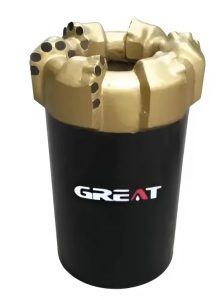
Core Bit
Bits are also called chisels or drill bits. This equipment is the first series of oil drilling tools that penetrate the rock formations in making holes.