ELECTRIC SUMMERSIBLE RECIPROCATING
OIL PUMP
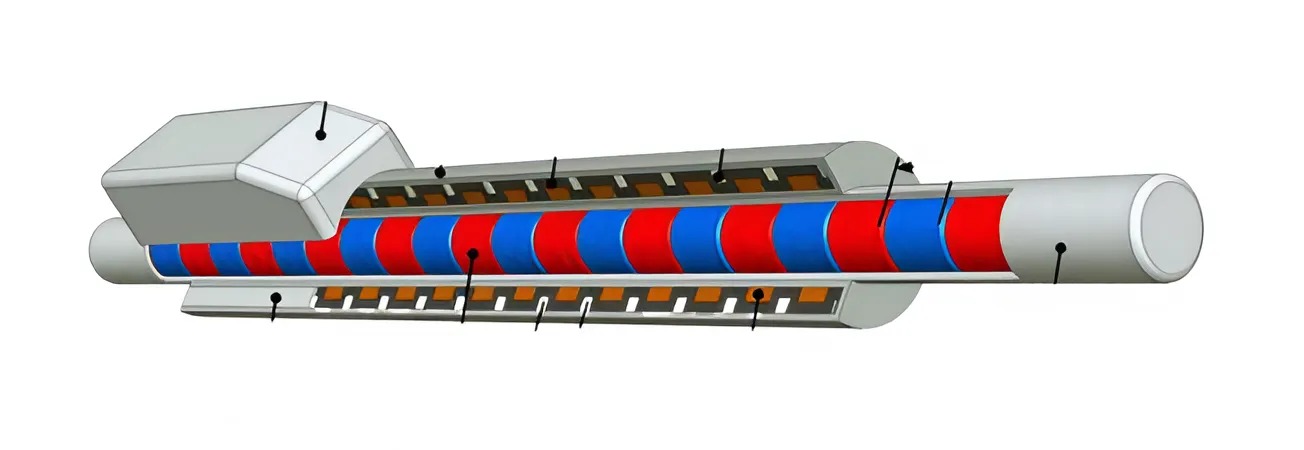
The linear motor, serving as the power source, is installed 200 meters below the static liquid level within the oil casing. The upper end of the linear motor connects to the plunger pump and the pipeline. The ground control system supplies power to the linear motor via a submerged oil cable. This system manages AC-DC conversion and frequency control through an inverter. The control system issues instructions based on feedback from operating conditions, enabling the linear motor to drive the plunger pump’s push rod. This movement lifts the oil in the pump’s cavity in a pulsed manner, effectively raising the oil to the surface pipeline for recovery.
Features & Benefits
Product Introduction
CNC-Reciprocating Electric Submersible Oil Pump (ESRP), or CNC-RESP™, is a specialized, bearings-free, seal-free pump system designed for submersible oil extraction.
Key Features:
Durability:
Components:
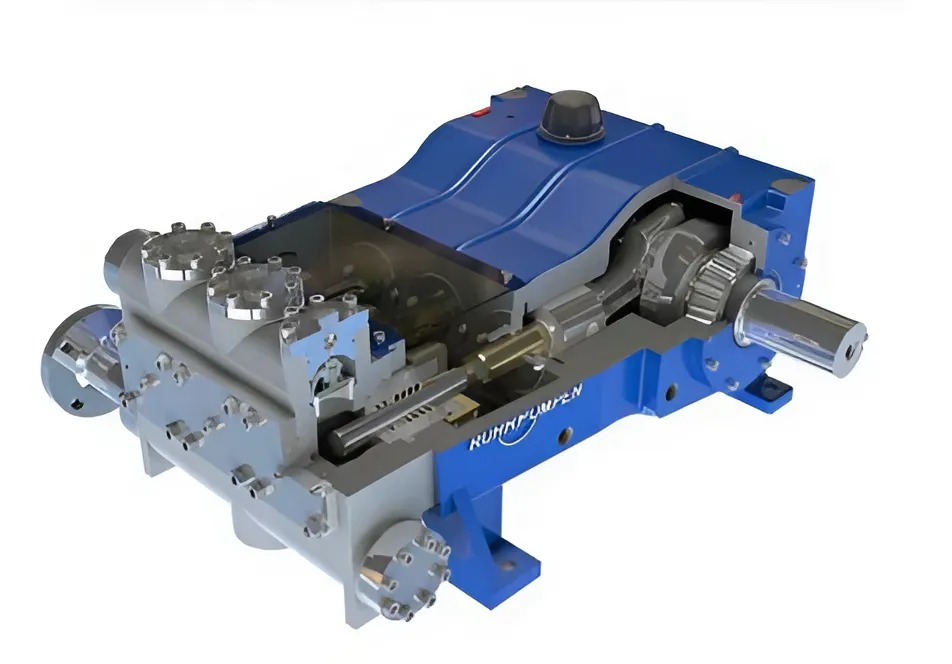
Plunger Pump
The difference with the conventional piston pump is that its fixed above and the plunger is lifted upward. The principle is the same as the reciprocating motion of the conventional piston pump.
Ground Control System
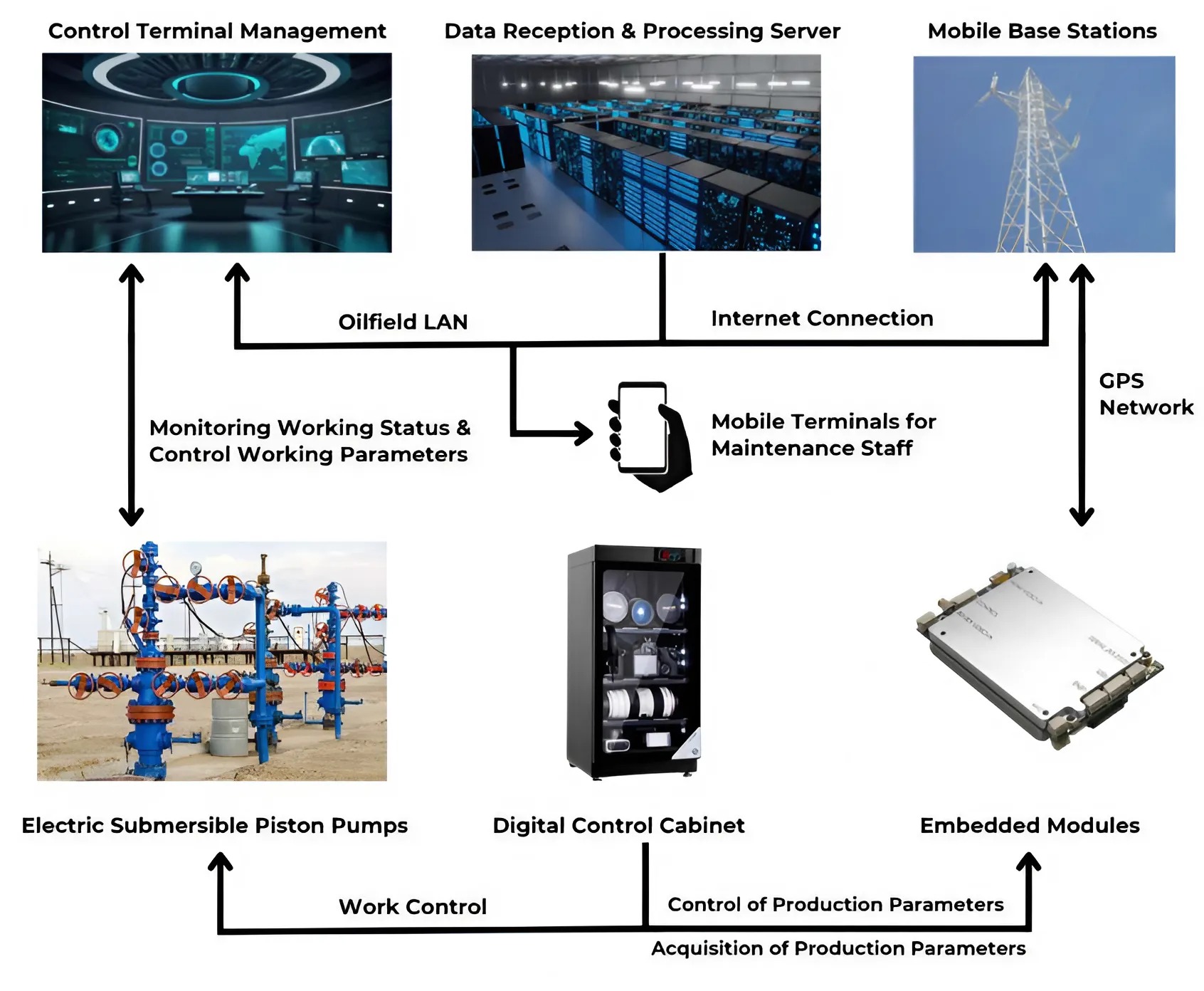
The downhole linear motor is controlled via frequency conversion, with program settings for stroke length, stroke count, and frequency. It features self-protection, capable of detecting faults and attempting troubleshooting. Optional remote monitoring allows data analysis, fault pre-diagnosis, and remote control for start, stop, or frequency and stroke adjustments.
Designed for ease of maintenance, only basic electrician training is needed. It operates in environments from -40°C to +45°C, suitable for outdoor installation.
On-Site Control
Remote Monitoring
We are integrating a remote monitoring system that provides remote monitoring and operation control functionalities. This system can perform big data analysis via a server, display real-time operational status of the equipment for all users, and enable fault prediction and timely troubleshooting. This facilitates a fully automated oil recovery management mode.
Thick Oil & Wax Formation Problems
For thick oil and wells with severe wax buildup, conventional solutions include hot washing (up to 90°C), chemical wax removal, and aging heating cables. Our alternative is an in-house developed low-power 3-conductor heating cable. It features a self-loop design with three conductors, eliminating joints with the tubular column. The conductors are housed within a metal tube and directly placed inside the oil tube to heat the oil effectively. The system allows flexible control of temperature, power, and heating duration based on specific needs. Compared to traditional heating cables, this product uses only one-third of the electricity, capable of meeting field power demands and effectively solving extraction issues caused by thick oil or wax formation.
REQUIRED DATA
To thoroughly evaluate the performance of each ESP trial, detailed information is needed, including ESP technical specifications such as outer diameter, type, flow rate, horsepower, voltage, amperage, surface drive details, MLE cable specifications, and dimensions. Additionally, well schematic data—including casing size and weight, tubing size and weight, metallurgy, perforation depth, and ESP setting depths—is essential. Reservoir fluid analysis should cover parameters like DHT, water cut (WC), H2S, CO2, and sand/abrasives. The performance history of each ESP should include the number of runs and failures per year, the lifespan of each failure, main root causes, and loading conditions, supported by load charts. Downhole monitoring reports over at least one year should document parameters such as pump intake pressure, discharge pressure, motor temperature, and motor vibration. Operational data on a weekly basis, well workover history, artificial lift equipment performance and failure records, solids or sieve analysis if available, and surface details of the artificial lift equipment are also required. Furthermore, data on equipment settings, drilling deviations, the number of tubing joints filled with sand during each pull, the number of start-stop cycles per run, and the average cost of ESP failures over a quarterly period are crucial for comprehensive analysis.